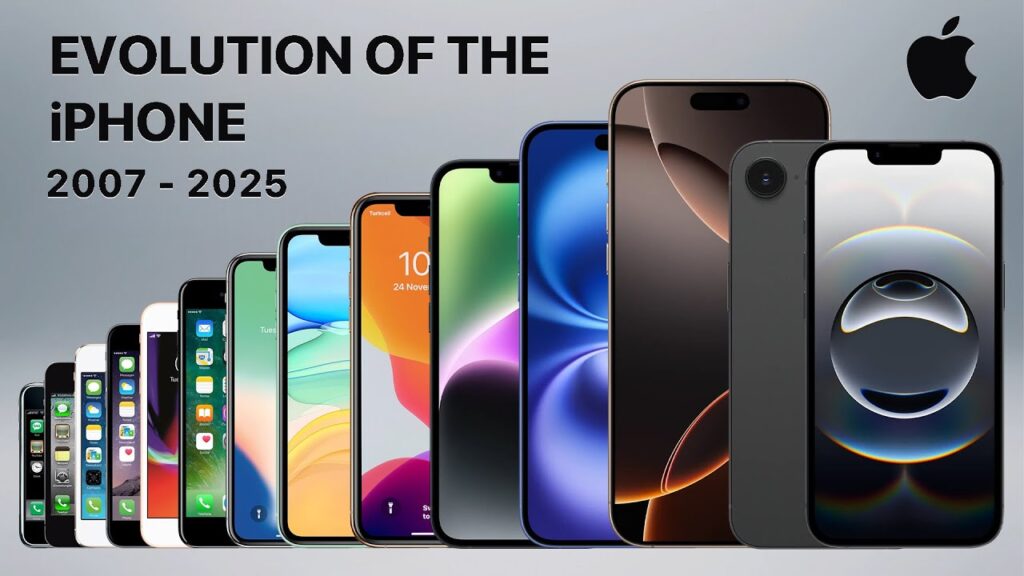
When Apple unveiled the first iPhone in 2007, no one imagined it would redefine the entire smartphone industry. What started as a sleek touchscreen phone has become a global symbol of innovation, design, and technology. Over the past 18 years, the iPhone series has transformed from a single device into a diverse lineup catering to different users from casual fans to creative professionals.
Let’s take a walk through the complete iPhone series, from the original model to the newest iPhone 17, and see how Apple’s evolution continues to shape the world.
The Revolution Begins: iPhone (2007–2009)
The first iPhone, launched by Steve Jobs in 2007, changed everything. With its 3.5-inch touchscreen, sleek aluminum frame, and lack of a physical keyboard, it was revolutionary. There were no third-party apps yet, but its Safari browser and iPod integration set new standards.
In 2008, the iPhone 3G introduced faster data speeds and the App Store, creating a new digital economy. A year later, the iPhone 3GS brought improved performance and video recording — a small change that had a big impact on how people captured their lives.
Polished Design and Power: iPhone 4 to iPhone 5 (2010–2012)
In 2010, Apple released the iPhone 4, one of the most iconic phones ever made. It introduced the Retina Display, glass-and-steel design, and front-facing camera for FaceTime. The 2011 iPhone 4S brought Siri, the voice assistant that changed how people interacted with their phones.
The iPhone 5 arrived in 2012 with a taller 4-inch display, LTE support, and the now-familiar Lightning connector. This was also when Apple started positioning the iPhone as both a fashion statement and a productivity tool.
Bigger and Smarter: iPhone 6 to iPhone SE (2013–2016)
Apple’s next move was all about size and speed. The iPhone 6 and 6 Plus (2014) offered larger screens 4.7″ and 5.5″ to meet growing consumer demand. The slim aluminum design became an instant classic. Apple Pay also made its debut, introducing secure mobile payments.
The iPhone 6S refined the formula with 3D Touch, while the iPhone SE (1st Gen) in 2016 offered flagship performance in a smaller body. This was Apple’s first real attempt at a budget-friendly model something that would return in future years.
The Modern Era: iPhone 7 to iPhone X (2016–2017)
The iPhone 7 made headlines for removing the headphone jack a controversial but forward-thinking decision that encouraged wireless audio. Water resistance and improved cameras became standard.
Then came the iPhone X in 2017 — a complete redesign that marked the iPhone’s 10th anniversary. It featured an edge-to-edge OLED display, Face ID, and the removal of the home button. This model defined the modern smartphone look and inspired nearly every brand that followed.
Performance Meets Photography: iPhone XR to iPhone 12 (2018–2020)
After the iPhone X, Apple expanded its lineup with multiple models. The iPhone XR, XS, and XS Max brought variety in size and price. In 2019, the iPhone 11 series introduced Night Mode and ultra-wide cameras, elevating mobile photography to new levels.
In 2020, the iPhone 12 series brought 5G connectivity, the flat-edge design, and MagSafe accessories. It also introduced a mini version for those who preferred compact phones proof that Apple was listening to all kinds of users.
Refinement and Innovation: iPhone 13 to iPhone 15 (2021–2023)
The iPhone 13 series improved battery life, added Cinematic Mode for video, and boosted camera performance. By 2022, the iPhone 14 refined safety with Crash Detection and Emergency SOS via Satellite features that literally saved lives.
The iPhone 15, launched in 2023, finally switched from Lightning to USB-C, aligning with global standards. The Dynamic Island, first seen on the Pro models, became available on all versions, giving users a more interactive and intuitive experience.
A Leap Forward: iPhone 16 and iPhone 17 (2024–2025)
The iPhone 16, released in 2024, was powered by Apple’s A18 chip the most advanced yet. It introduced AI-driven photo editing, improved cooling, and brighter displays. The iPhone 16 Pro Max became a powerhouse for gamers and content creators alike.
In 2025, Apple unveiled the iPhone 17 series, which includes the iPhone 17, 17 Pro, 17 Pro Max, and the sleek new iPhone Air. The Air is Apple’s thinnest and lightest phone ever, targeting users who love portability without sacrificing performance.
The 17 Pro Max features an even better “Fusion” camera system, longer battery life, and a stronger titanium frame. Apple has also doubled down on AI integration, giving users smarter tools for photography, typing, and real-time translation.
Special Editions: The iPhone SE Legacy
Apple’s iPhone SE line deserves special mention. Revived in 2020 and 2022, these models combine the brains of flagship iPhones with a classic design at a lower price point. For users who prefer Touch ID or smaller screens, the SE series remains a fan favorite and a smart entry point into Apple’s ecosystem.
What Makes the iPhone Series Stand Out
Across 18 years, several elements have made the iPhone the most influential smartphone line in history:
- Design Excellence: Every model pushes aesthetic boundaries while staying minimal and premium.
- Ecosystem Power: Seamless connection with Macs, iPads, AirPods, and Apple Watch keeps users loyal.
- Security & Privacy: Apple’s focus on user privacy continues to set it apart.
- Longevity: iPhones receive software updates for 5–6 years far longer than most Android phones.
- Innovation Leadership: From Face ID to spatial video recording, Apple continues to lead in user experience and technology.
The Future of iPhone
Looking ahead, Apple’s vision clearly revolves around AI, augmented reality, and sustainability. Rumors suggest that the iPhone 18 and 19 could integrate even more on-device AI and perhaps blend with Apple’s Vision Pro ecosystem. One thing’s certain: Apple’s journey from the first iPhone to the iPhone 17 is not just a tech story it’s a story of evolution, creativity, and influence.
Final Thoughts
The iPhone series isn’t just a collection of smartphones it’s a timeline of human innovation. Each model tells a story about how technology has become more personal, powerful, and essential to everyday life.
From the 2007 original to the futuristic iPhone 17, Apple has proven that progress isn’t just about specs it’s about creating experiences that inspire and connect people. Whether you’re holding an old iPhone 6 or the latest Pro Max, you’re part of a legacy that continues to shape the digital world.